Most "compliance guides" bury pallet specifications inside broader EDI or routing discussions. Vendors end up piecing together rules from Target's Food DC Guide, its Shipping and Packing Guidelines, and separate VRS documentation, hoping nothing got missed.
This guide consolidates every Target pallet requirement — dimensions, weight, height, stacking, labeling, and mixed-SKU rules — into one reference. It also shows how these pallet rules connect to the broader vendor compliance picture, from EDI transactions to onboarding as a new supplier.
Key Takeaways
- Target requires damage-free GMA-spec 48"x40" pallets — no splinters or exposed nails.
- Weight and height limits vary by DC; confirm current specs via Partners Online.
- Mixed-SKU pallets need layer separation, typically for partial-layer orders.
- SSCC-18 labels must match your ASN and carton data exactly, or receiving flags a defect.
- A dependable pallet supplier removes one of the biggest chargeback risks vendors face.
Target's Pallet Specifications: What Every Vendor Must Know
This is the technical foundation every Target vendor needs before their first shipment. Pallet compliance gets checked at receiving, and it cannot be corrected after the truck arrives at the dock. If the pallet's wrong, the whole load is at risk.
Approved Pallet Types and Condition Standards
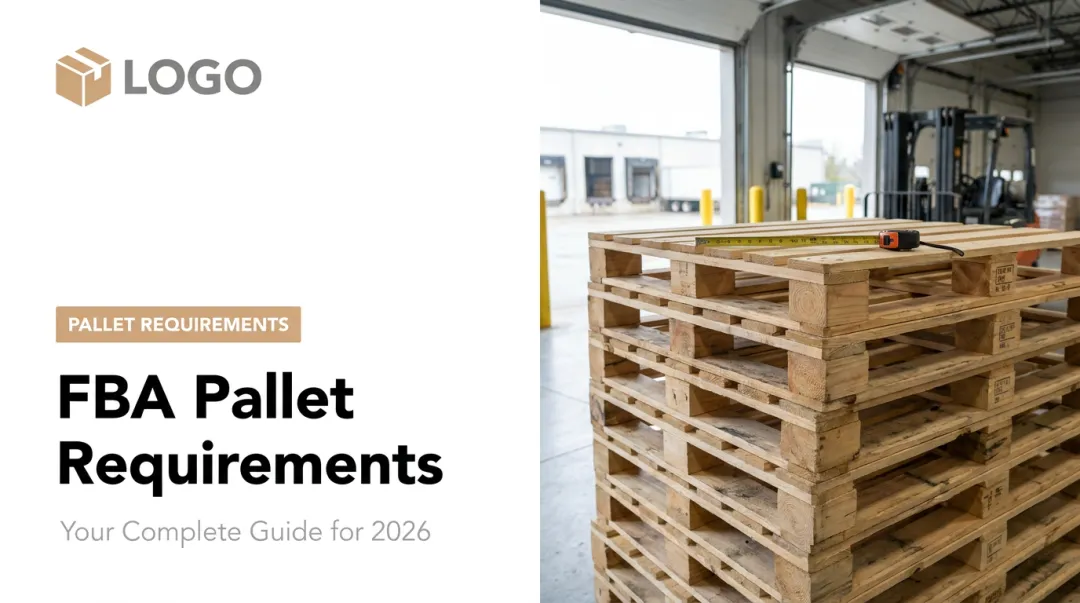
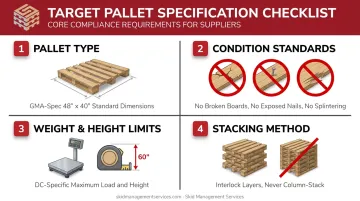
Target's baseline is the GMA-spec 48" x 40" pallet, the same industry-standard footprint used across most U.S. grocery and general merchandise supply chains. It's the format Target's own EDI and receiving systems are built around.
SPS Commerce's Target compliance data confirms this as the standard pallet size referenced in Target's purchase order and shipment documentation.
Condition matters just as much as dimensions. Target expects pallets in excellent, near-new condition:
- No broken or missing deck boards
- No protruding or exposed nails
- No splintering, cracked stringers, or unstable blocks
- Clean enough to pass a visual dock inspection
A damaged pallet risks more than a note in a receiving log. It can mean outright rejection at the DC dock, with the load sent back at the vendor's expense.
Weight, Height, and Stacking Rules
Weight limits exist to protect both worker safety and Target's automated receiving equipment. Overweight pallets can jam conveyor systems or trigger automatic flags that stall receiving for the entire trailer.
Height allowances vary by distribution center. SPS Commerce's Target-specific compliance table lists 60 inches (including the pallet itself) as a commonly cited maximum, though individual DCs may set different limits based on their equipment and dock configuration.
Don't build to a number you saw in an old PDF.
- Confirm your assigned DC's exact height and weight figures through Partners Online before your first build
- Recheck periodically, since Target updates specs without much fanfare
- When in doubt, call your buyer's compliance contact rather than guessing
Target also enforces a no column stacking rule. Product needs to be arranged in a layer sequence across the full pallet footprint, using interlocking rows rather than vertical towers of the same SKU stacked straight up.
Column stacking looks efficient on the warehouse floor, but it's unstable in transit and gets flagged fast.
Mixed-SKU Pallet Guidelines
Multiple SKUs can share a single pallet, but only under specific conditions. The general rule: separate layers by SKU, and don't blend product types within the same layer.
This allowance typically comes into play when a purchase quantity for one or more items falls below a full layer. Rather than shipping a nearly-empty pallet for a small order, vendors combine partial layers of different SKUs onto one pallet, as long as each layer is clearly distinct and properly separated.
Layer-separation and mixed-pallet rules can shift by DC and by product category. Food DCs, in particular, have their own labeling templates for mixed pallets, so verify your specific configuration with your buyer before building anything unusual.
Pallet Labeling, Documentation, and Shipping Requirements
Documentation errors are the most common, and most avoidable, cause of Target receiving delays. Most of them come down to a mismatch between what's physically on the pallet and what was transmitted electronically before the truck left.
SSCC-18 and GS1-128 Labeling
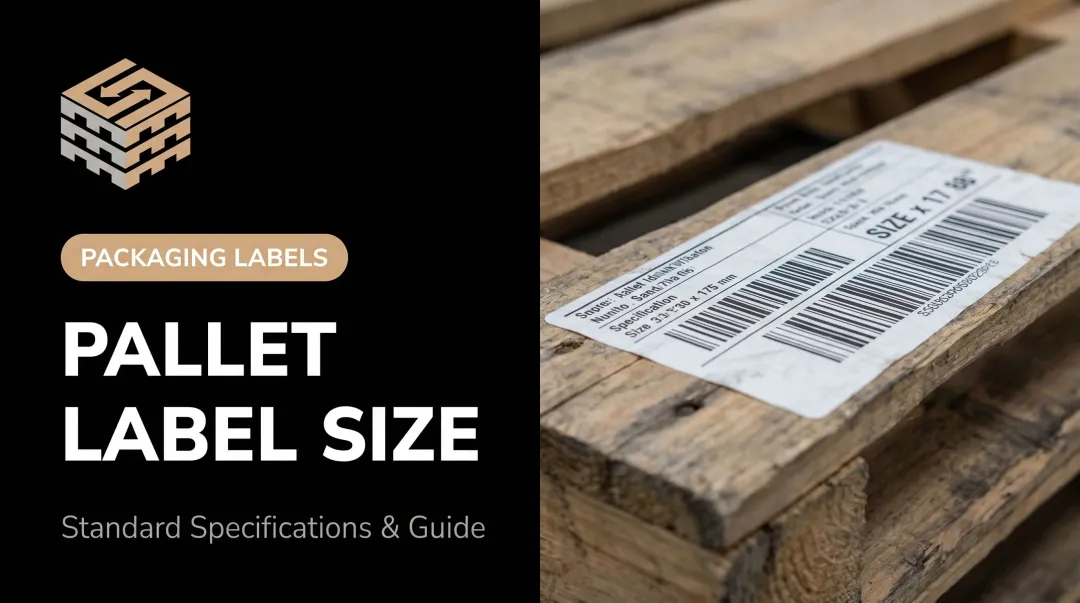
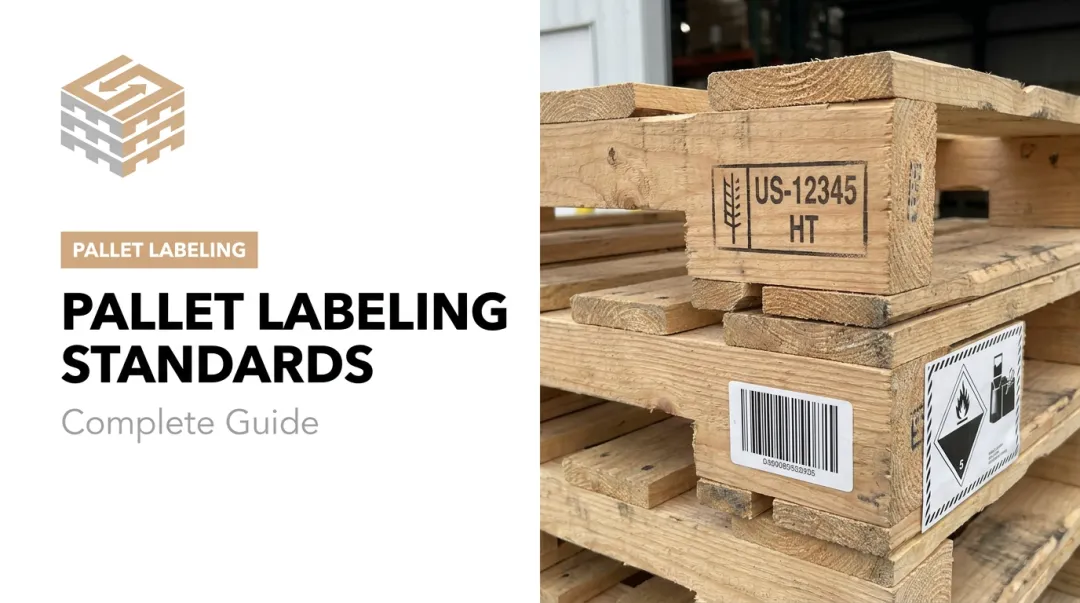
Every Target pallet needs a GS1-128 license plate label containing an SSCC (Serial Shipping Container Code). Per GS1 US, an SSCC is an 18-digit identifier assigned to a logistics unit such as a case or pallet, and it's typically encoded into that GS1-128 barcode to support ASN-based shipment processing.
Here's where vendors get tripped up: the SSCC on the pallet label must match the ASN (EDI 856) data exactly.
SPS Commerce's pallet-building guidance is direct about this: a physical pallet configuration that doesn't match the ASN's declared TI/HI is treated as a receiving defect. That mismatch can trigger receiving delays or a chargeback before anyone even opens a box. Suppliers like Skid Management Services provide pre-printed, spec-compliant SSCC and carton labels as part of their packaging materials line, helping vendor teams avoid this exact failure point.
Carton labels have their own placement rules (generally the upper-right corner of the largest outward-facing panel), with label size and font specified by Target's labeling documentation. Don't eyeball it; pull the current spec sheet.
Packing List and Bill of Lading Requirements
Your packing list needs to travel with the shipment and typically includes:
- UPC and TC Item Number/DPCI for each product
- Quantity of consumer selling units shipped
- Item description matching the PO
- Grand total units shipped
This document usually needs to sit on the outside of the carton, near the carton label, not buried inside the box where receiving staff can't find it quickly.
Your Bill of Lading, meanwhile, needs to reflect the order number, total package count, and weight for the shipment. Any mismatch between the BOL and what's physically on the trailer is another common flag point.
Special Placards for Multiple PO or DC Pallets
If a single pallet carries product for multiple purchase orders or multiple destination DCs, it needs a placard reading something like "Multiple PO or DCs: Must break down pallet." This placard goes on all four sides of the pallet, mounted outside the stretch wrap so it's visible before the wrap even comes off.
Skipping this step is a small mistake with an outsized consequence: receiving staff who can't quickly identify a multi-PO pallet may delay the whole load while they sort it out manually.
Avoiding Pallet-Related Chargebacks
Pallet non-compliance chargebacks get assessed per pallet, and they stack on top of whatever other compliance deductions your shipment picks up. One bad pallet build can compound into a surprisingly expensive line item on an otherwise solid order.
The most common pallet chargeback triggers:
- Wrong pallet type, grade, or condition
- Exceeding weight or height limits for the destination DC
- Missing or mismatched SSCC labels
- Mixed-SKU pallets built without proper layer separation
Pallet errors rarely stay isolated, either. When physical pallet contents don't reconcile with what your ASN declared, it cascades into ASN accuracy defects too.
According to SupplyPike's breakdown of Target's compliance program, Target evaluates suppliers on metrics like ASN Shipment and Item Accuracy and Physical Barcode Accuracy, both charged at $0.75 per carton when they fail. On Time and Fill Rate targets carry penalties up to 3% of cost of goods sold. A single pallet problem can trip several of these categories at once.
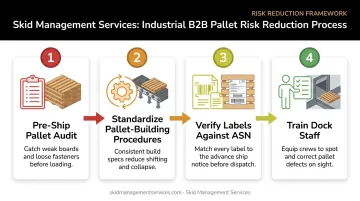
Prevention practices worth building into your warehouse SOP:
- Run a pre-ship pallet audit at the pack station, not after the truck is loaded
- Standardize pallet-building procedures so every shift builds the same way
- Verify labels against the ASN before trucks leave the dock
- Train dock staff to recognize a rejected pallet before it becomes a rejected load
One variable a lot of vendors underestimate: pallet quality and availability itself. A vendor scrambling to find compliant GMA 48"x40" pallets on short notice sometimes substitutes whatever's on hand, and that substitution is exactly what triggers a rejection.
This is where working with a dependable national supplier makes a real difference. Skid Management Services supplies GMA 48"x40" pallets in premium, near-new condition, drawing on both firm-owned inventory and an expansive supplier network. Vendors get inventory depth plus network breadth, so a regional shortage doesn't force them into a non-compliant substitute.
Beyond Pallets: Broader Target Vendor Compliance Essentials
Pallet compliance is only one piece of a larger vendor compliance system. EDI transactions govern how orders and shipment data move between vendor and retailer:
| Transaction | Function |
|---|---|
| 850 | Purchase Order |
| 855 | Purchase Order Acknowledgement |
| 856 | Advance Ship Notice |
| 810 | Invoice |
A clean pallet build means little if the 856 ASN transmitted ahead of it doesn't match what's actually on the truck.
Routing matters too. Vendors must enter collect shipments into Target's shipping system within a set window before pickup, and Target's transportation system controls appointment scheduling, not the carrier. Missing the ship window on a PO creates its own compliance headache, separate from anything pallet-related.
Finally, the Partners Online vendor scorecard tracks fill rate and on-time delivery performance right alongside pallet and labeling compliance. A vendor who nails pallet builds but consistently ships late still ends up with a dragging overall score, since compliance metrics compound across categories rather than staying siloed.
How to Become a Target Supplier
Getting approved as a Target vendor follows a fairly linear path, but the prerequisites need to be lined up before you start, not after your first PO lands.
The basic onboarding sequence:
- Submit your product for buyer consideration through Target's supplier intake process
- Complete Target's Vendor Agreement once a buyer confirms interest
- Receive your unique Target vendor number
Prerequisites to secure beforehand:
- A GS1 Company Prefix and GTINs for your products
- General Liability and Product Liability insurance coverage
- EFT payment setup (required for domestic vendors)
- Signed agreement to Target's Business Partner Code of Conduct
Here's the part that catches new vendors off guard: once you're approved, Target expects full pallet, labeling, and EDI compliance starting with your very first shipment. There's no grace period for a new vendor still figuring out pallet specs.
Lining up compliant packaging and a reliable pallet source before go-live, rather than after the first PO arrives, saves a lot of scrambling and avoidable chargebacks. Partnering with a supplier who already builds to retail-DC specifications, like Skid Management Services, means your pallets meet Target's requirements from day one instead of after a failed shipment.

Frequently Asked Questions
What is Target's 10/4 rule?
There's no verified vendor packing or PO rule officially named the "10/4 rule." Target's publicly known "10-4" policy is a customer-service guideline for store associates, unrelated to pallet or shipment configuration.
What is the 15 minute rule at Target?
Some logistics sources cite a 15-minute grace period around delivery appointments, but Target's documented windows vary by trailer type: about 30 minutes for live trailers, and 12 hours early to 4 hours late for drop trailers. Confirm your specific appointment terms through Partners Online.
How to be a supplier for Target?
Submit your product through Target's supplier intake process, complete the Vendor Agreement, and secure prerequisites like a GS1 Company Prefix, insurance, and EFT setup. See the full breakdown above for step-by-step detail.
What type of pallets does Target require?
Target requires GMA-spec 48"x40" pallets in excellent, damage-free condition: free of broken boards, exposed nails, or splintering. Confirm any DC-specific variations through Partners Online before shipping.
Can I mix different products on one Target pallet?
Yes, but only with proper layer separation between SKUs, and generally when one or more products fall below a full layer quantity. Verify the exact configuration rules with your buyer before building a mixed pallet.
What is the maximum weight allowed for a Target pallet?
Weight limits vary by distribution center, so always confirm the current figure for your assigned DC through Partners Online. Exceeding the limit risks safety flags and automated receiving rejections.