
Improper palletizing of heavy equipment leads to three predictable failures: tipping during transit, pallet structural failure under concentrated loads, and costly damage claims that could've been avoided with the right base and securing method.
This guide walks through the exact steps, pallet specifications, and mistakes to watch for when palletizing heavy equipment — plus what you need lined up before you start.
TL;DR
- Heavy equipment needs high-capacity pallets, precise weight distribution, and reinforced securing: not standard box-palletizing methods
- Pallet material (wood, steel, or custom-engineered) depends on the equipment's weight, shape, and how it ships
- Most failures trace back to two root causes: wrong pallet selection or under-secured loads
- Loads over 4,000 lb often require custom or specialty pallets, not standard 48x40 sizes
How to Palletize Heavy Equipment
Step 1: Assess Equipment Weight, Dimensions, and Shape
Before you touch a pallet, get the numbers right.
- Weigh and measure the full unit, including attachments, brackets, or accessories that ship with it
- Note irregular protrusions (forks, booms, exposed shafts) and flag any uneven weight distribution (engines are notoriously front-heavy)
- Drain fluids and secure or remove loose parts, covers, and attachments before loading
- Confirm footprint fit against standard pallet dimensions or determine if you need an oversized/custom build This step matters because everything downstream (pallet choice, blocking, strap tension) depends on accurate numbers. Guessing here compounds errors later.
Step 2: Select the Right Pallet
Pallet capacity has to exceed equipment weight, not just approximate it. Pallet strength and stiffness both matter — the safe load rating is the lower of the two values, not the higher one. Before loading anything, inspect the pallet for cracks, splits, or sagging deck boards. A damaged pallet with a "high enough" rating on paper is still a liability. For reference, industrial pallet capacities generally break down like this:
| Pallet Type | Typical Dynamic Capacity | Best For |
|---|---|---|
| 48x48 drum/industrial (stringer or block) | 2,500–3,000 lb | Chemical drums, mid-weight industrial units |
| 44x44 IBC tote pallet | 3,000+ lb | Totes, industrial containers |
| Custom four-stringer reinforced wood | 4,000–10,000+ lb | Heavy machinery, engines, generators |
| Steel sheet-metal pallet | Custom-rated | Extreme loads, repeated-use industrial cycles |
| Standard GMA 48x40 pallets aren't rated for this category of load. When equipment runs heavy or oversized, a custom-engineered pallet with reinforced stringers, thicker deck boards, and the right lumber grade is usually the safer call. Skid Management Services supplies these to spec through its own inventory and supplier network, so a heavy-duty or custom pallet is still available when a specific size or rating isn't in stock that week. |

Step 3: Position and Distribute the Load
Center the equipment's heaviest section over the pallet's strongest structural points — the stringers or blocks, not the open deck span between them. For asymmetrical shapes:
- Use wood blocking, saddles, or custom cradles to stabilize irregular contact points
- If the mass can't be centered, position the heaviest section closest to where forklift forks will engage — this mirrors how OSHA guidance treats off-center loads during lifting
- Never let equipment overhang the pallet edges. Overhang concentrates stress outside the pallet's designed support zone and weakens the whole unit load Gaps and misalignment are a common source of in-transit damage. The Packaging Digest supply chain damage report found that lower support tiers absorb the most compression damage when a load isn't properly seated.

Step 4: Secure and Label the Load
Strapping and wrap work together, not as substitutes for each other.
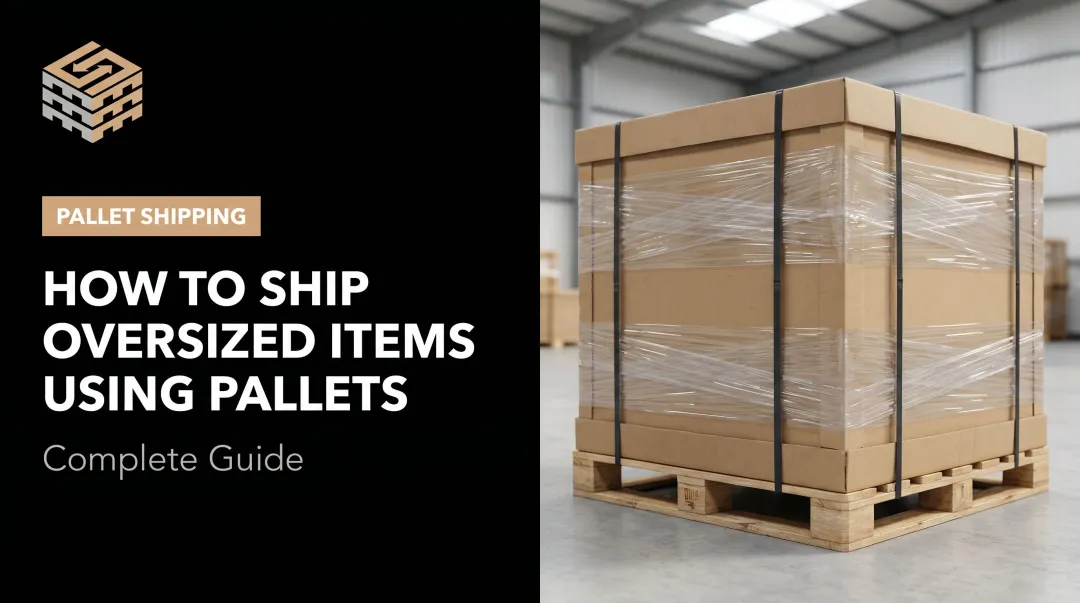
- Apply heavy-duty strapping — steel for extreme loads, ratchet straps for mid-weight equipment — positioned over structural anchor points
- Add stretch wrap for containment and to limit micro-shifting, but don't rely on wrap alone as your primary restraint
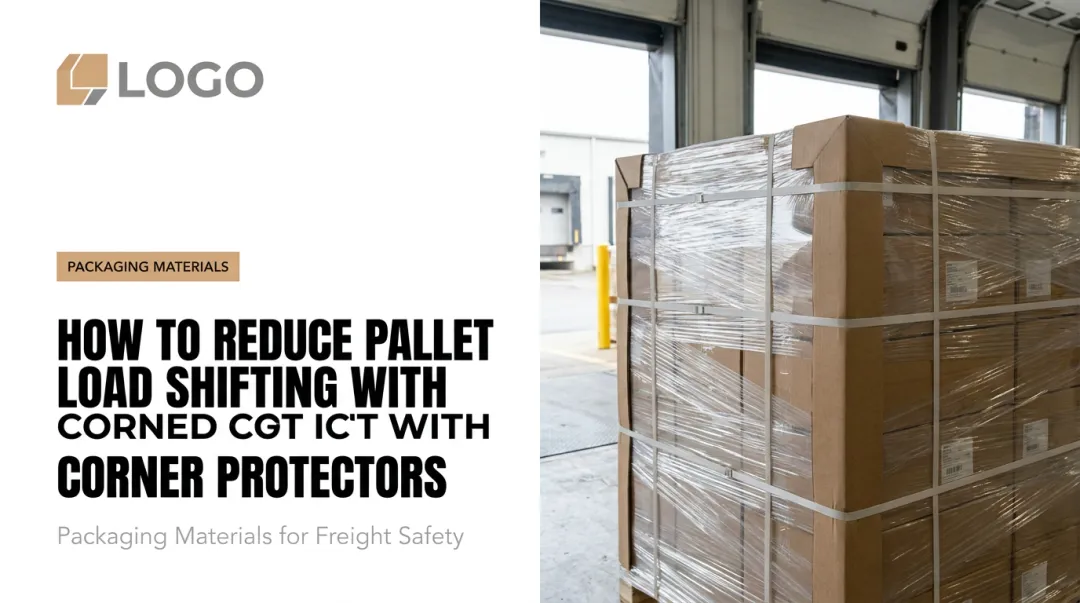
- Install corner protectors and edge guards wherever straps cross equipment edges, preventing cut-through or crushing
- Label clearly with gross weight, center-of-gravity warnings, fork-entry restrictions, and any hazard markings SMS can supply the matching materials in one place: PP, PET, and steel strapping (hand and machine grades), stretch film, corner boards, and custom-printed shipping and hazmat labels.

When Should You Palletize Heavy Equipment?
Palletizing makes sense when:
- It needs forklift or pallet jack handling at any point in its journey
- It moves through multi-leg transport (truck to warehouse to final destination)
- It requires standard warehouse storage between shipments
Extremely oversized or irregularly shaped machinery (large industrial presses or equipment with extreme cantilevered weight) may be better suited to crating, skids, or direct chassis mounting instead of an open pallet base.
If you're shipping the same equipment type repeatedly (say, monthly generator shipments to the same distributor), a standardized, reusable custom pallet setup pays off fast—you skip re-engineering the load plan on every shipment.
What You Need Before Palletizing Heavy Equipment
Success here depends on having the right materials and people lined up before the equipment shows up on the dock.
Pallet and Material Requirements
Pallets must be rated for the equipment's exact weight class:
- Wood — cost-effective for most industrial loads, from 2,500 lb drum pallets through 10,000+ lb custom builds
- Steel — better for extreme or repeated-cycle loads where wood hits its strength ceiling
Match securing materials to the same load class: load-rated strapping, corner boards or edge protectors, and stretch wrap.
Skid Management Services (SMS)'s national network of pallet and packaging suppliers gives businesses a way to source heavy-duty pallets without the supply gaps that come from relying on a single mill or single warehouse.
Tools and Equipment
Use gear rated for the equipment’s real weight—not a rough estimate:
- Forklifts, pallet jacks, or cranes rated for the actual load
- Strapping tools matched to your strap material (steel banding tools differ from PET/PP tools)
- Stretch wrap dispensers with tension control for consistent wrap force
Skill and Safety Readiness
Confirm the crew is ready before the load hits the dock:
- Trained in heavy-load handling
- Solid on proper lifting angles
- PPE selected and enforced for the job
A rated forklift with an untrained operator is still a liability.
Key Parameters That Affect Palletizing Results
Weight Distribution Uneven loads cause tipping or stress fractures in the pallet deck. Center the mass over structural support points so the load stays stable through loading, transit, and unloading.
Pallet Load Capacity Exceeding rated capacity risks structural failure, sometimes without warning. Match capacity to actual equipment weight with margin, not right at the limit, to prevent collapse.
Securing Method Strapping alone allows some shift. Stretch wrap alone isn't rated for restraint. Combined strapping and wrapping cuts movement risk during transport, especially under braking and cornering forces.
Stacking Height and Overhang Excess height reduces stability and can violate carrier limits. Overhang weakens load-bearing capacity at the pallet edges. Stay within the recommended footprint and height to keep handling safer at every touchpoint.

Common Mistakes and Troubleshooting
The same handful of errors show up again and again:
- Undersized or damaged pallets that can't handle the actual weight . Always inspect before loading, not after.
- Uneven weight distribution that causes tipping the moment a forklift lifts the load
- Under-securing with insufficient strap tension or a single layer of thin wrap
When something goes wrong after the load leaves the dock, fix the cause rather than the symptom.
If equipment shifts during transit: Check strap tension first, then re-wrap with reinforced film. Don't just add more of the same wrap. Increase film gauge or strap count.
If a pallet shows cracking or sagging: Replace it immediately. Don't attempt to reinforce a compromised pallet with extra strapping. The base structure is already failing.
Frequently Asked Questions
What is the palletization process?
Place goods on a pallet, distribute weight evenly across structural support points, secure with strapping and wrap, and label for safe handling and transport.
What is the maximum weight a pallet can hold?
Standard wood pallets often hold a few thousand pounds, but capacity varies by material and construction. Heavy equipment typically needs reinforced or custom-engineered pallets rated well above standard limits.
Can pallets be loaded sideways in a trailer?
It depends on carrier and equipment guidelines. Sideways loading sometimes improves stability, but it must still follow proper weight distribution and securing rules for the load type.
How do you know if a pallet is rated for heavy equipment?
Reputable pallets list a dynamic load-capacity rating. Confirm this with your supplier before use. Don't assume capacity based on size or appearance alone.
What's the difference between palletizing and crating heavy equipment?
Crating fully encloses the equipment for extra protection. Palletizing secures it on an open base, which is faster to load and unload but offers less physical protection.
Do I need a forklift to move palletized heavy equipment?
Yes. A forklift or pallet jack rated for the load's actual weight is required for safe handling at every stage.