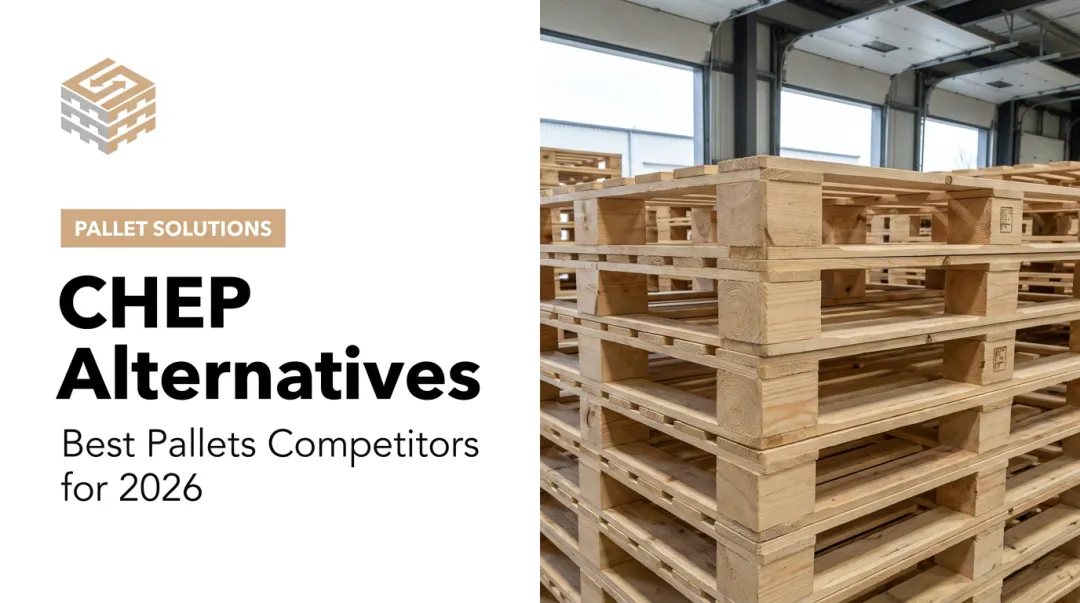

Common frustrations include unexpected surcharges, pallet declaration disputes, and dependency on a third-party network you don't control. If pallet availability gets tight in your region, your shipments wait.
This guide walks you through evaluating your needs, planning a phased exit, and executing a switch to owned wood pallets, without disrupting shipping or receiving.
Key Takeaways
- Settle or return outstanding CHEP pallets before you exit the account
- Owned pallets from a dedicated supplier lock in pricing control and supply consistency
- A phased plan, not a hard cutover, minimizes disruption to daily operations
- Pick a supplier with inventory depth and buy-back capacity before you leave the pool
- Closed-loop buy-back programs can offset 15-40% of new-pallet spend depending on volume
Why Companies Consider Switching From CHEP
CHEP doesn't publish flat U.S. pricing. Instead, the company quotes customers based on shipment locations, volume, and frequency, according to CHEP's own U.S. pallet management page. That custom-quote model makes budgeting hard to nail down year over year.
A Pallet Enterprise cost analysis found that a seemingly modest $5.00 issue fee often ballooned into $7–$10 per pallet once daily hire fees, transportation, transfer charges, and heat-treating fees were layered in.
Those figures are from 2009, but the pattern still holds: a low headline fee hides a much higher total trip cost.
Common triggers for switching include:
- Rising per-trip fees and account minimums that erode margin over time
- Complex billing structures that make true cost hard to forecast
- Loss of control over pallet specs, condition, and availability
- Penalties for lost, damaged, or unreturned pallets ("pallet declaration" disputes)
- Regional pooling shortages that stall outbound shipments during peak demand

There's also an ownership issue. CHEP states plainly that blue pallets remain its property and can't be resold or reused without authorization. If your team has ever gotten an unexpected bill for "missing" pallets, you already know this exposure firsthand.
Evaluating Your Pallet Needs Before Switching
Assessing Volume and Specifications
Before you commit to owned pallets, audit what you're actually using. Pull data on:
- Current CHEP pallet volume by month and by SKU
- Dimensions and load capacity requirements per product line
- Frequency of half-pallet, quarter-pallet, or custom-size needs
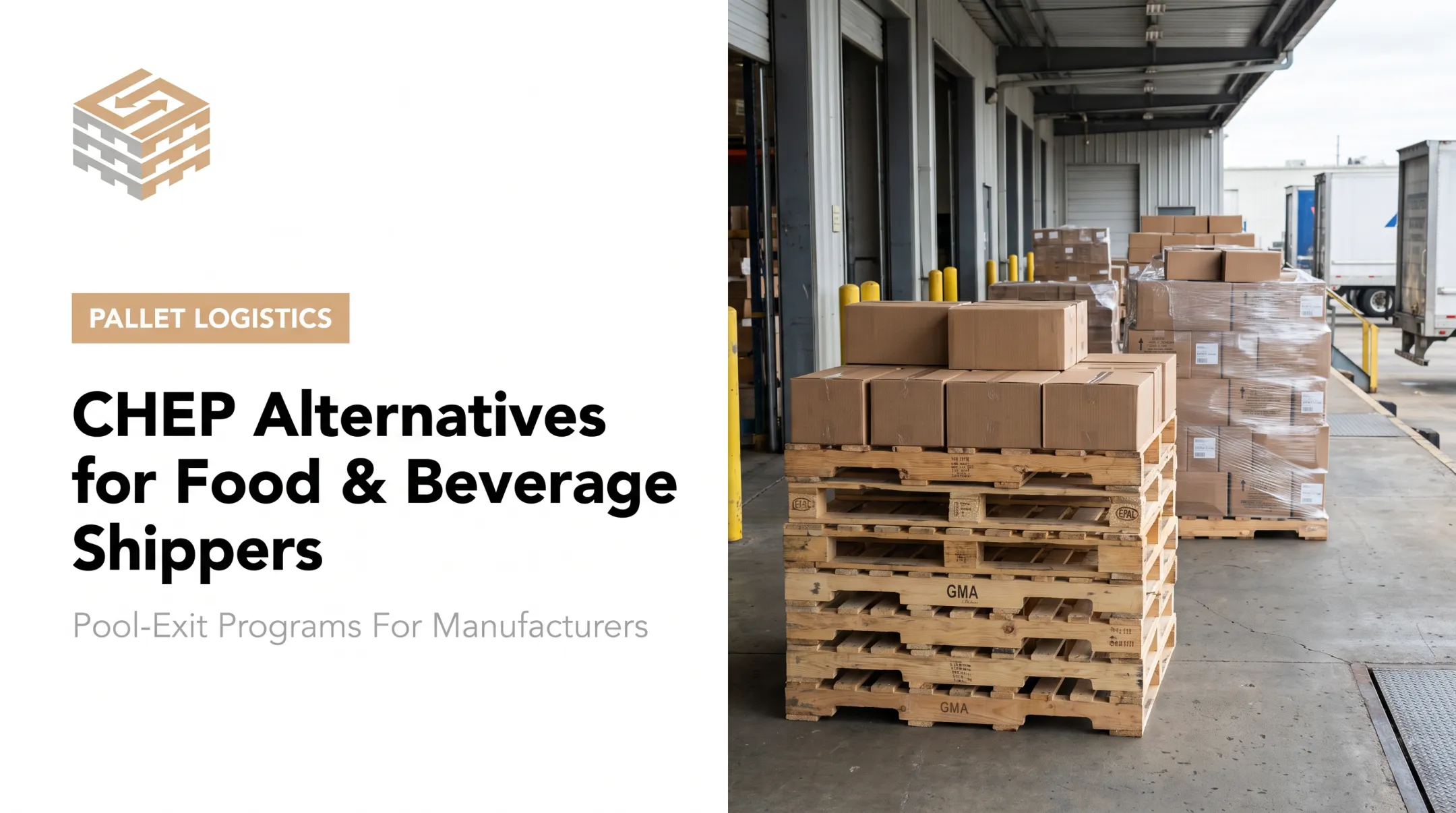
The 48x40 GMA pallet remains the most common U.S. footprint. Industry production data shows its share of new pallets fell from roughly 35% in 2016 to around 29% in 2021. Don't assume 48x40 is automatically your answer; match the spec to your actual SKU mix, not the industry default.
Calculating Cost Comparison
Build a simple side-by-side: CHEP's per-trip fees versus the one-time purchase cost plus ongoing maintenance of owned pallets. Include:
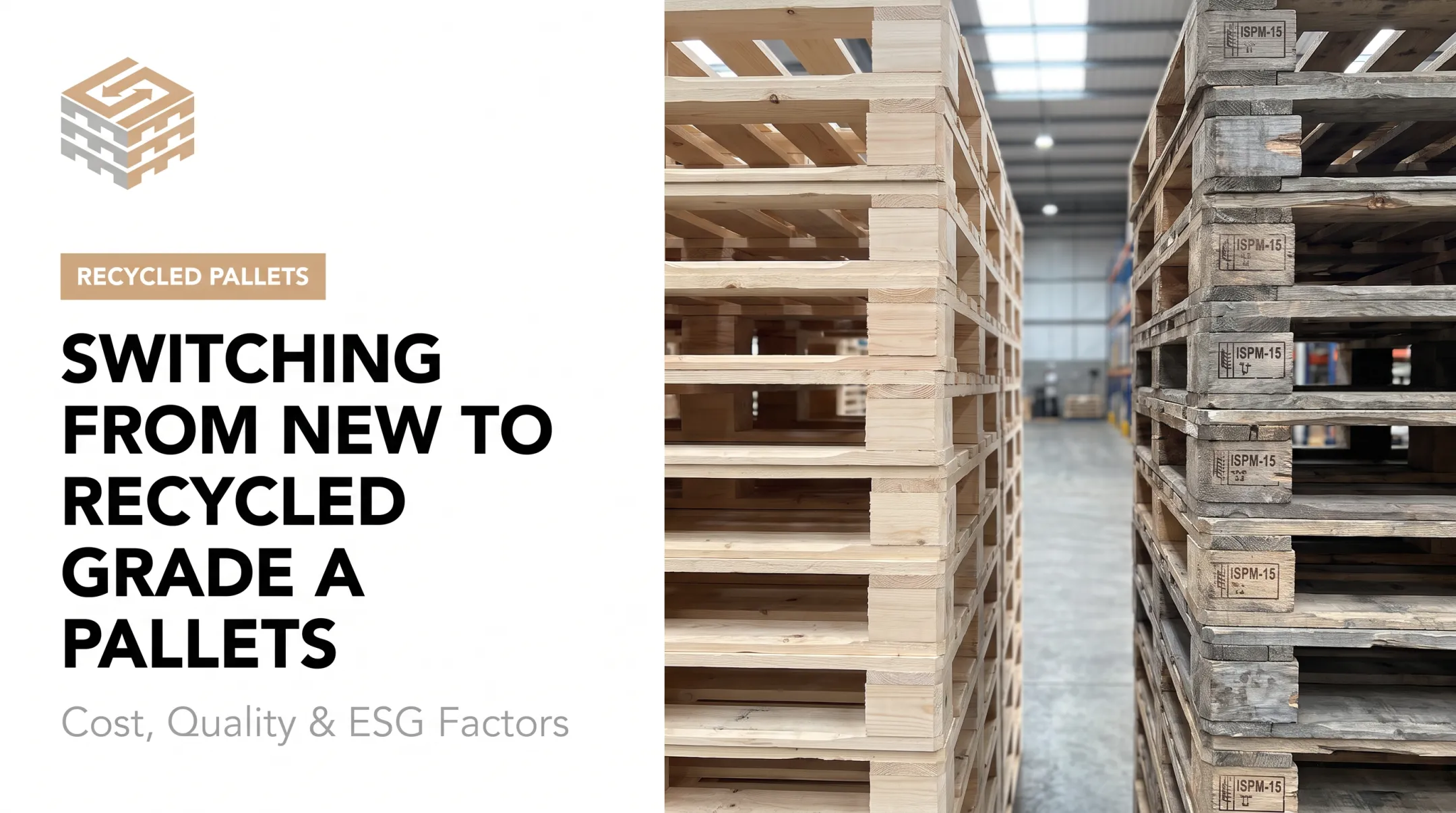
- Purchase price by grade (new, used/Grade A, utility/Grade B)
- Storage space needed to hold buffer inventory
- Expected pallet lifespan and repair/replacement frequency
- Labor for inventory tracking and reconciliation
Closed-loop buy-back economics usually pay off once you're moving roughly 500 or more pallets per month two-way. Below that threshold, straight purchase or a hybrid approach may pencil out better.

Step-by-Step Process to Switch From CHEP Pallets
- Notify CHEP and settle your account. Contact CHEP Customer Care to confirm return instructions for outstanding pooled pallets and get written terms for closing or downgrading your account.
- Audit your internal pallet flow. Map every touchpoint—inbound receiving, outbound shipping, and storage—that will need new pallets once CHEP volume drops.
- Source a reliable supplier. Confirm they can match your volume and spec requirements without supply gaps, and that they can support pool-exit logistics such as buy-back, pickup, or closed-loop replenishment.
- Run a pilot phase. Shift a subset of shipments to owned pallets first. Watch for handling issues before scaling up.
- Train your team. Warehouse and logistics staff need clear procedures for handling, storing, and tracking owned pallets, since CHEP's tracking tools won't be there anymore.
- Establish replenishment. Set reorder points and a maintenance plan so you don't run short once you leave the pool.
Note: CHEP's public pages don't state a termination notice period or closure deadline. Get those specifics directly from your account rep before planning your timeline.

Choosing the Right Pallet Supplier
Your supplier choice determines whether this transition succeeds or creates new headaches. Look for:
- Consistent inventory across new, used, Grade A, and Grade B pallets
- Transparent, volume-based pricing rather than a rigid rate card
- Scalability to handle demand spikes without service gaps
- Documented quality standards aligned with NWPCA uniform standards or retail programs (Walmart, Costco, and similar)
Skid Management Services pairs its own inventory with an expansive supplier network. That dual-sourcing model supports competitive pricing and steady supply—and it matters most in the first few months of a transition, when a single-source hiccup can stall your entire pilot.

Verify reliability before committing:
- Ask for references in your industry (food and beverage, consumer goods, industrial)
- Confirm same-week or scheduled delivery in your region
- Check whether they offer buy-back or trade-in credit on recyclable pallets, which can offset 15-40% of new-pallet spend
Managing the Transition Smoothly
A clean handoff depends on buffer stock and clear communication, not just good intentions.
- Keep a buffer of owned pallets on hand during the transition window to absorb any supply hiccups
- Communicate the switch to customers and logistics partners so returns and exchanges don't cause confusion mid-transition
- Set up basic internal tracking (even a shared spreadsheet works) to replace the visibility CHEP's system previously gave you
Many operators run a hybrid model for a stretch: independent supply covering most volume while residual CHEP pallets get phased out naturally. This avoids a hard cutover and gives your team room to adjust without missing a shipment.
Frequently Asked Questions
How much does it cost to have a CHEP account?
CHEP doesn't publish flat U.S. pricing. Costs typically include per-trip usage fees plus administrative charges that vary by volume commitment. That variability is a common reason buyers move to owned pallets.
What happens to CHEP pallets when I switch providers?
You must return outstanding CHEP pallets or settle any account balance before closing your account. CHEP pallets remain company property throughout, so skipping this step means continued billing.
Is it cheaper to buy pallets instead of using a pooling service?
For businesses with stable, predictable volume, owning pallets is often more cost-effective long-term, though it requires upfront investment. Highly variable volume may still favor a pooled or rental model.
How long does it take to transition away from CHEP?
Timelines vary by business size, but a phased approach spanning several weeks to a few months is common. This avoids the supply disruption a hard cutover can cause.
Can I use a mix of owned and pooled pallets during the transition?
Yes. Many businesses gradually shift volume to owned pallets while phasing out remaining CHEP inventory over time.
What should I look for in a new pallet supplier?
Prioritize consistent inventory, transparent pricing, and proven reliability. Ask for references from businesses with similar volume and spec requirements.