
Most dock managers plan around trailer schedules, staging lanes, and labor shifts. Pallet quality gets treated as an afterthought, until a stack collapses mid-transfer or a load gets rejected at receiving. In reality, pallet consistency shapes how fast product moves, how much gets damaged, and how many headaches your team deals with on a Tuesday afternoon.
This article breaks down why pallet strategy deserves a seat at the table in cross-dock planning, and what to look for when choosing a supply solution that won't let you down.
TL;DR
- Pallets are a foundational input to cross-dock speed, safety, and cost, not an afterthought
- Standardized, durable pallets cut handling delays, rework, and product damage
- The right pallet type, size, and supplier prevent bottlenecks from shortages or failures
- Ignoring pallet quality is a common, hidden driver of dock congestion and damaged freight
What Pallets Actually Do in Cross-Docking
A pallet is the platform every unit load rides on as it moves from an inbound trailer to an outbound one, often with minutes of turnaround between the two. In a true cross-dock flow, that pallet touches every stage:
- Unloading
- Staging
- Sorting
- Reloading
That role makes the pallet an operational tool. If it is warped, missing boards, or the wrong footprint for your trailers and handling equipment, it slows everything downstream.

Key Advantages of Using the Right Pallets in Cross-Dock Operations
These benefits aren't generic packaging talk. They map directly to the numbers cross-dock operators already track: dwell time, damage claims, labor cost, and reliability.
Faster Throughput and Reduced Dwell Time
Uniform pallet dimensions let forklift operators move loads without repositioning or manual adjustment. That consistency also simplifies dock scheduling and lane planning, whether you're running an I-shaped or U-shaped facility.
Faster handling shortens the inbound-to-outbound cycle that defines whether cross-docking actually works. Delays here ripple outward fast.
According to the American Transportation Research Institute, driver detention alone cost the trucking industry $3.6 billion in direct expenses and $11.5 billion in lost productivity in 2023. Every minute a pallet sits mismatched or hard to move adds to that pile.
KPIs impacted:
- Dock-to-door cycle time
- Labor hours per load
- Dock door utilization
High-volume docks with back-to-back carrier appointments and tight windows feel this gain first.

Reduced Product Damage and Fewer Rejected Loads
A structurally sound pallet keeps a load from shifting, collapsing, or overhanging during a rapid transfer. Weak or damaged pallets cause instability, and instability leads straight to damage claims and rework at the dock.
The National Wooden Pallet & Container Association requires users to inspect every pallet before use and pull unsafe ones from service. Skip that step, and you're gambling with the next transfer. Retailers aren't lenient about it either; Walmart's supplier requirements explicitly prohibit shipping on broken pallets or weak materials like particle board.
KPIs impacted:
- Damage and claims rate
- Rework hours
- On-time-in-full (OTIF) delivery rate
Fragile, high-value, and retail-bound freight see the biggest payoff—especially where OTIF chargebacks leave little room for error.
Supply Consistency to Prevent Dock Bottlenecks
Run short on pallets, and your team is forced to pause transfers, mix pallet types mid-load, or push back outbound trailers. It's one of the fastest ways to turn a smooth-running dock into a stalled one.
A single local supplier is a single point of failure. Skid Management Services addresses this by combining owned inventory with an expansive supplier network, which keeps pricing competitive and supply steady even when one source runs tight. That redundancy is what keeps transfers moving when a primary source can't fill the order.
KPIs impacted:
- Fill rate on pallet orders
- Dock idle time
- Cost per pallet
Seasonal peaks, multi-site networks, and teams moving from ad-hoc buying to a recurring cross-dock program notice the difference fastest.
What Happens When Pallet Quality or Supply Is Ignored
Skip the pallet conversation, and here's what tends to show up:
- Increased load instability and in-transit product damage
- Slower dock cycles from re-stacking or sorting mismatched pallets
- Emergency, higher-cost pallet purchases when supply runs short
- Retailer chargebacks for non-compliant or unstable pallet builds
- Difficulty scaling cross-dock volume during demand surges
None of these are hypothetical. In May 2021, pallet costs jumped 400% amid a supply shortage, driven by surging demand and rising lumber prices, according to Supply Chain Dive.
Operations that treated pallet count as a fixed, always-available resource got caught flat-footed. The ones with backup sourcing didn't.
How to Choose the Right Pallets for Cross-Dock Operations
Getting this right isn't complicated, but it does require matching pallets to your actual operation instead of defaulting to whatever's cheapest.
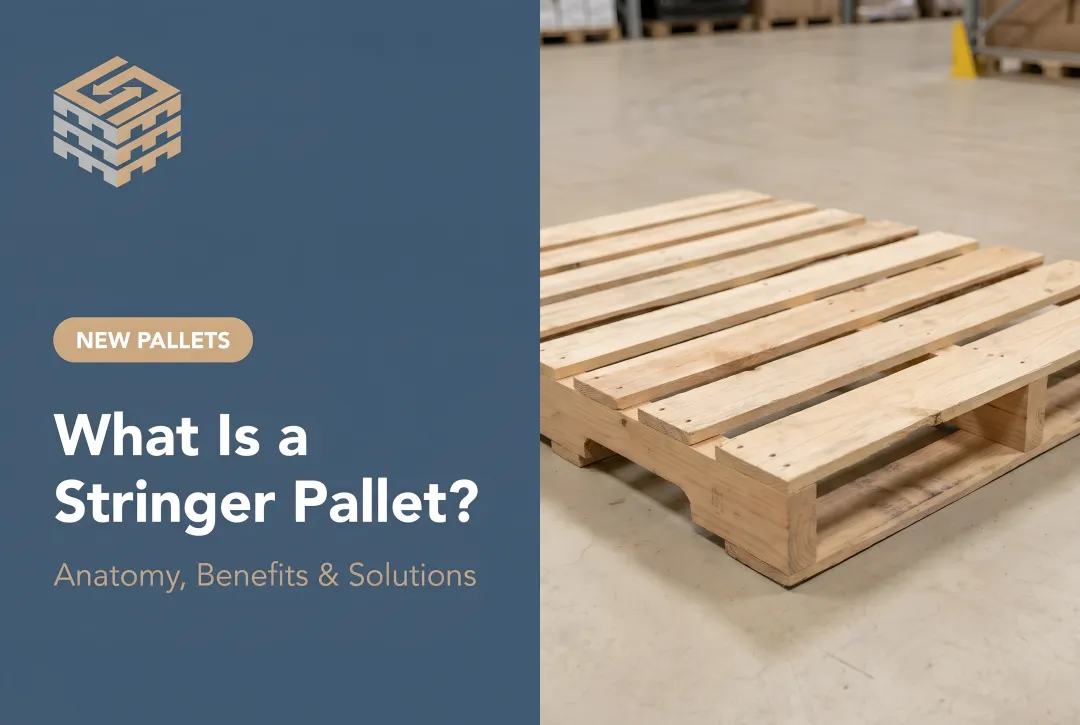
Match size and type to your equipment. GMA 48x40 remains the workhorse for general warehouse and food/beverage distribution. Confirm block, stringer, wing, or double-wing construction is compatible with your forklifts and racking before ordering in bulk.
Match durability to load and handling frequency. A pallet cycling through multiple touches per day needs more durability than one used once and discarded. Heavy-duty builds in the 2,500-3,000 lb dynamic range suit chemical or beverage loads; standard GMA pallets cover most general freight.
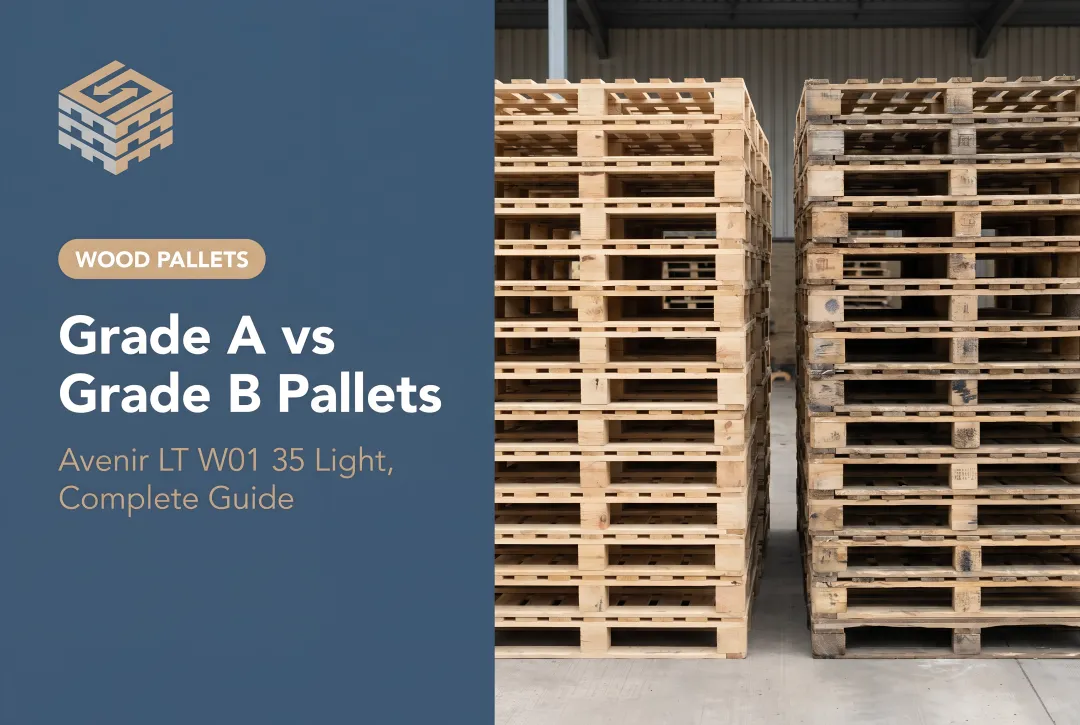
Balance hygiene, weight, and cost. Food-grade or FDA-regulated operations often need new, kiln-dried, heat-treated pallets to avoid contamination risk. Internal transfers with no strict receiver specs can run on Grade B or utility-grade recycled pallets, which typically save 40-60% versus new.
Work with a national supplier that won't leave you exposed. A supplier combining owned inventory with a broad network, like Skid Management Services, gives you competitive pricing without the single-source risk that stalls docks during a shortage.

Conclusion
Pallet selection and supply reliability shape how fast your cross-dock runs, how much damage you eat, and what it all costs. Those effects compound: faster handling cuts damage, less damage lowers cost, and lower cost gives you room to scale.
Pallet strategy isn't a one-time purchase. It's an ongoing operational choice, best supported by a supplier who can keep pace with your volume, not just your last order. Skid Management Services supplies new, used, and custom wood pallets with the uninterrupted supply high-volume cross-dock programs need.
Frequently Asked Questions
What is cross-docking in warehouse operations?
Cross-docking transfers goods from inbound to outbound transport with little or no storage in between. Freight essentially passes through the facility rather than sitting on a shelf.
What are the key requirements for cross-docking?
Reliable transportation scheduling, standardized pallets and load units, real-time inventory visibility, and a facility layout built for fast inbound-outbound flow. Miss any one of these, and the whole model breaks down.
What type of pallet is best for cross-docking?
Standard-sized, durable wood pallets that match your existing dock equipment. Consistent size and grade matter most for fast, damage-free transfers.
How does pallet quality affect cross-dock efficiency?
Weak or inconsistent pallets slow handling, increase damage rates, and disrupt dock scheduling. A single bad pallet can hold up an entire outbound load.
Can wood pallets be used in fast-paced cross-docking?
Yes. Wood pallets are widely used in cross-docking when properly sized and sourced from a reliable supplier for consistent quality. The key is matching grade to your throughput demands.
How can businesses avoid pallet shortages disrupting cross-dock operations?
Partner with a national supplier that combines owned inventory with a broader supplier network. That structure keeps supply steady and pricing competitive, even when demand spikes.